
Summer’s arrival brings more than just long days and open windows; it brings a natural urge to reset. As we spend more time lounging in the soft, lingering light, we start to see our homes with fresh eyes—and often, a desire for change.
If you’re feeling the itch to redecorate but don’t know where to start, you aren’t alone. It’s easy to feel overwhelmed by endless inspiration, but finding your personal style isn't about following the latest fads. It’s about discovering what truly resonates with your soul. In this guide, we’ll help you bridge the gap between inspiration and reality, walking you through how to identify your aesthetic and apply it to your home, one room at a time.

There is a unique clarity that comes with summer. The bright, honest sunlight reveals every corner of your home, highlighting what feels vibrant and what’s ready for an update. It’s the season of dreaming—the time when we have the headspace to gather inspiration without the pressure of a deadline. Embrace this season of exploration; let your curiosity lead the way before you commit to a single design choice.
What "Design Style" Really Means
"Interior design style" sounds more technical than it is. At its simplest, a style is just a consistent visual language — the colours, textures, shapes, and overall mood that tie a space together so it feels considered rather than collected at random.
Most people already lean toward one without naming it. The blues and natural woods you keep coming back to, the clean lines you find restful, the layered, collected look you love in a friend's home — those are all style instincts already at work. Your style doesn't need a label to be valid. It only needs to feel like you, and it's perfectly normal for it to be a blend of two or three influences rather than one tidy category.

It's worth separating trend from style as you go. Trends are fun and fleeting; style is what you'll still love in ten years. For the pieces that matter most — the sofa, the dining table, the bed — lean toward what you'll live with happily for a long time, and save the of-the-moment touches for the things that are easy to change.
Step One: Gather Your Inspiration
Start by collecting, not deciding. Make a mood board — a Pinterest board, an Instagram collection, a folder of magazine tear-outs, whatever's easiest — and save anything that catches your eye without stopping to justify it.
Once you have thirty or forty images, look for the patterns. Which colours keep turning up? Are you drawn to low, rounded furniture or tall, structured pieces? Is the mood calm and pared-back, or warm and layered? Your instincts will repeat themselves, and those repetitions are your style taking shape.
Then get off the screen. Visiting a showroom or design studio in person does something a photo can't — you feel the weight of a linen, the depth of a sofa, the difference between a warm oak and a cooler one. People are often surprised to find that something they pinned for months feels wrong in the room, while a piece they'd never have chosen online feels exactly right.
One more habit worth keeping: when you're in someone else's home and a room makes you feel good, pause and ask why. The answer — the light, the colours, the way the seating is arranged — is usually a clue to your own taste.
Step Two: Learn the Style Semantics

It helps to have a vocabulary for what you're drawn to. Here are the styles we're asked about most, described simply. Most homes land on one of these, or a comfortable blend of a couple.
Modern and minimalist — Clean lines, neutral palettes, and a sense of restraint. Nothing is there by accident; every piece earns its place, and the result feels calm and uncluttered.
Transitional — The middle ground between traditional and contemporary. Polished but approachable, layered but uncluttered — which is why it suits so many homes.

Coastal and organic — Drawn from nature: relaxed and airy, with natural materials, plenty of texture, and a soft, sun-bleached palette that feels light and unforced.
Traditional and classic — Timeless and considered: symmetry, richer fabrics, and refined detail. It's the look that never really dates, because it was never trying to be current in the first place.

Scandinavian — Minimalism with the warmth turned up. Natural wood tones, soft textures, and an emphasis on comfort and everyday function, all in a light, easy palette.
Bohemian — Eclectic, warm, and personal. Layered textiles, pattern mixed with confidence, and room for the unexpected. The least rule-bound of the styles, and the most expressive.
These labels are a starting point, not a rulebook. Most styles go by several names depending on who you ask — what one designer calls Scandinavian, another might call Nordic minimalism or warm modern. The name matters far less than what it points to: the concepts, moods, and details that make you feel genuinely at home. Hold the label loosely. What you're really looking for is the collection of ideas and inspirations that make your space feel right to you — and that's yours to define, whatever you end up calling it.
Step Three: Name Your Non-Negotiables
Style is only half the picture; the other half is how you actually live. Before you buy anything, get honest about the practical side. Do you have children or pets? Do you work from home? Do you host often, or rarely? The answers shape everything from fabric choices to how a room is laid out.
Function and beauty aren't opposites. A good performance fabric, or a leather that wears in rather than out, lets you have the pale sofa and the toddler; a hard-wearing rug means the entryway still looks good in February. Practical needs should inform your choices, not water them down — the best-designed rooms are the ones that hold up to real life.
It also helps to decide how each room should feel, not just how it should look. A bedroom usually wants to be calm and restorative; a living room, warm and sociable; a dining room, somewhere in between depending on how you use it. Naming the feeling first makes the furniture decisions much easier later.
Step Four: Build It Room by Room
Trying to redesign a whole house at once is how people get overwhelmed and stall. Take it one room at a time, and start with the room that matters most to you — the one you spend the most time in, or the one that bothers you most as it is.

Living room — Usually the anchor of the home, and a good place to start. Choose one key investment first — a well-made sofa or a statement armchair — and build the rest of the room outward from it. Get the big, hard-to-replace piece right and the rest tends to fall into place around it.
Bedroom — Here, mood and comfort matter more than any single statement. Layered bedding and textiles, lighting you can soften in the evening, and a cohesive, restful colour palette will transform the room more than one showpiece ever could.
Dining room — Let function lead. A table sized for quick weeknight dinners is a different table than one built for long evenings of entertaining; decide how you actually use the room and choose for that, not for an occasion that happens twice a year.

Home office — A permanent fixture in many homes now, and there's no reason it has to look like one. A desk and chair that suit the rest of your house, good natural light, and a little considered storage let style and productivity sit comfortably together.
Not every space in your home is a room — and those in-between places deserve just as much intention. Hallways, entries, nooks, and landings are easy to treat as afterthoughts, but they're often the spaces you move through most. Think of them less as gaps between rooms and more as transitions: moments that set a mood, carry a thread of your style forward, or offer a small, unexpected detail that makes the whole home feel considered. An entry tells people — and you — what kind of space they're stepping into. A hallway can hold art, texture, or light in a way a larger room never could. A reading nook or window seat can be the most personal corner in the house precisely because it has one job and does it well. When you think about style, don't stop at the doorways.
Step Five: Ask for Help When You Want It
There's no prize for doing it all alone. Working with an interior designer or an in-store stylist isn't only for large budgets or people who already know what they want — it's often most useful exactly when you feel stuck.
The advantage of a local designer is that they're working with your space and your life, not a generic inspiration board. They can tell you whether the sectional you love will actually fit, which of your three favourite palettes suits your light, and where it's worth spending versus where to save.
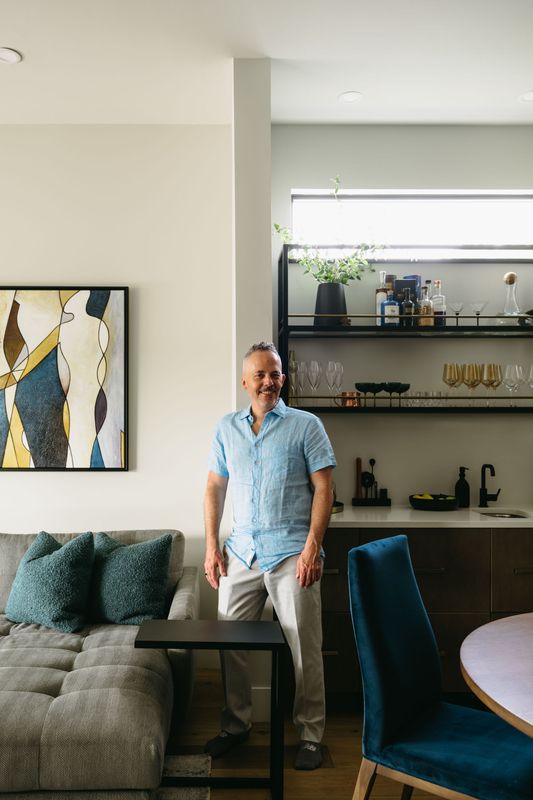
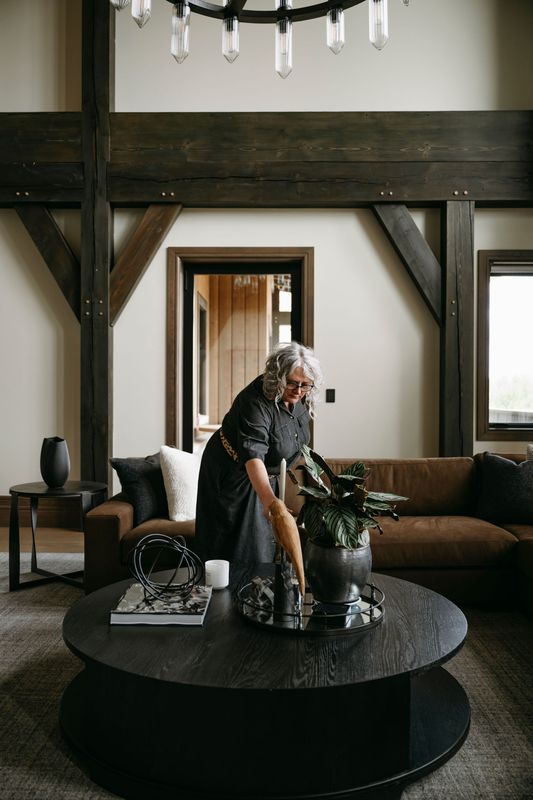
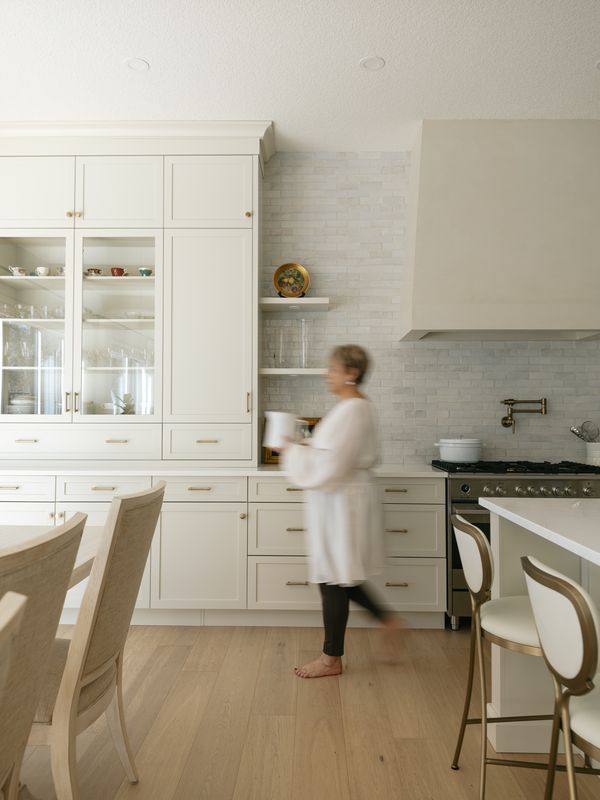
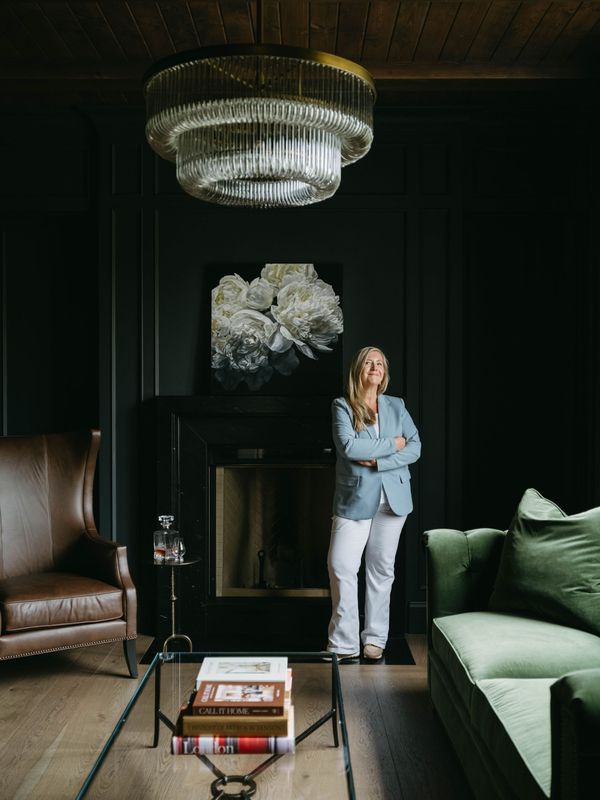
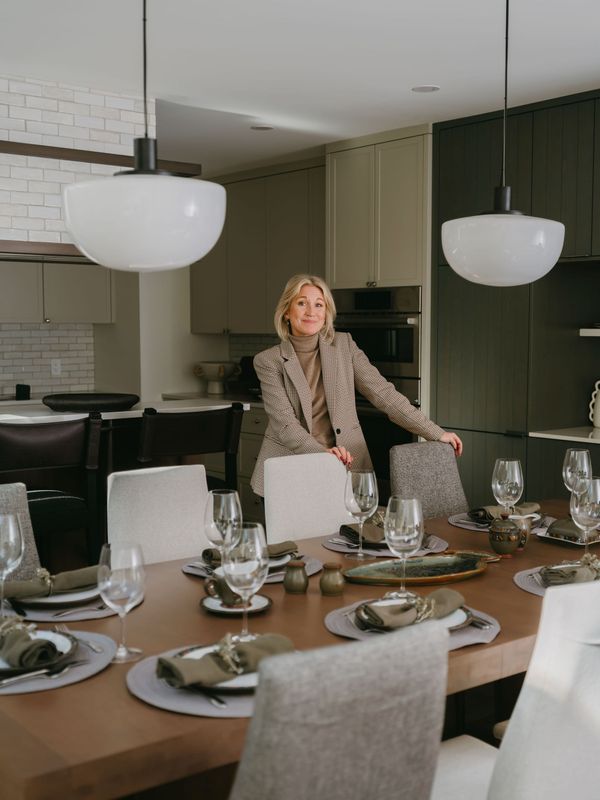
It's also more accessible than people assume — many showrooms, ours included, offer a complimentary design consultation, and it's one of the most underused resources out there. You don't need to arrive with all the answers. A good designer meets you exactly where you are, even if that's "I know I don't like what I have, and that's about as far as I've got."
Start Your Design Story This Summer
Finding your style isn't a one-time decision — it's a personal process that keeps evolving as you do. The point isn't to have it all figured out; it's to begin, and summer is the most natural time to take that first step. So take one today. Start a mood board, book a showroom visit, or simply walk through your home and note what you still love and what no longer serves you. Any one of those is a real beginning.
When you're ready, visit the Cottswood Interiors showroom in Edmonton to see and feel the pieces in person, explore our curated collection online, or book a complimentary consultation with one of our in-house designers. Wherever you are in the process, that's exactly where we'll meet you.
Ready to fall in love with your home?

